William Earl
The Mysterious Affair at StylesWilliam Earl is the under-gardener at Styles whose testimony helps establish that Emily Inglethorp made a new will on July 17. He and Manning witnessed her sign a long document, but neither was able to see what it said; their evidence confirms the act of signing without identifying the beneficiary.
Identity and Appearance in the Case
Earl is introduced through the household’s gardening work. The day before Emily’s death, she called him and Manning to the house while they were working outside. In the account given by Manning, Emily sent Earl by bicycle to the village to obtain a will form. Manning did not know precisely what had been requested, but said that Emily wrote it down for Earl.
Witnessing the Document
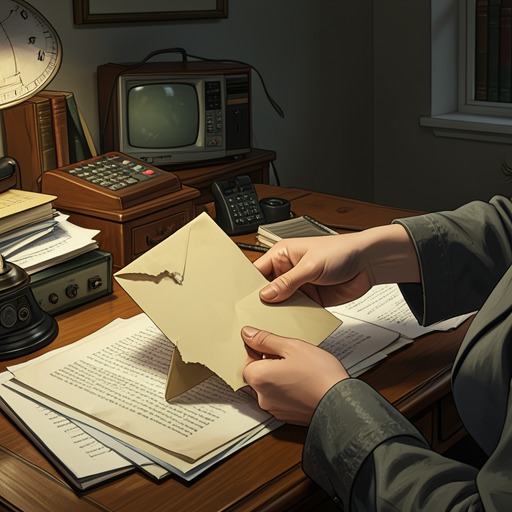
After Earl returned, Emily called both gardeners inside and asked them to sign at the bottom of a long paper, beneath her signature. Blotting paper covered the portion above her name, so the men witnessed the signing without learning the document’s contents. Earl’s role is consequently precise but limited: he can attest to the apparent execution of a document, not its terms or intended recipient.
Inquest and Legal Significance
At the inquest, shop assistant Amy Hill testified that she had sold a will form to Earl on the afternoon of July 17. Earl and Manning then testified that they had witnessed a document; Manning placed the signing at about 4:30, while Earl thought it had been somewhat earlier. Their statements connect the purchase of the form to Emily’s signing, while leaving a small uncertainty about the time and a substantial one about what the will said.
That uncertainty mattered because Emily’s earlier will, dated the previous August, had left her entire fortune to her stepson John Cavendish, with the arrangement understood as providing for the upkeep of Styles. Poirot pointed out that English law automatically revoked that will when Emily remarried. At John’s trial, the prosecution argued that the new will was made in favor of her husband, Alfred Inglethorp, and that it was later found destroyed in her bedroom grate. The defense, in turn, argued that John knew the earlier will had already been revoked by the marriage. Earl’s evidence supports the fact that a new document was signed, but does not resolve who stood to benefit or who destroyed it.
Narrative Role
Earl’s testimony exemplifies the difference between witnessing a legal act and knowing its legal effect. The form, the signatures, and the covered text offer concrete evidence that Emily made a document, yet the decisive information remains out of the gardeners’ sight. His limited knowledge therefore advances the inquiry while preserving the central uncertainty around the will and the household’s financial interests.